Back To Thought Leadership

Part 4: Small Footprint, Massive Impact: How 3U VPX Supports the Modular Open Systems Approach (MOSA)

Published: 11/25/25

The Department of Defense (DoD) is in the middle of a strategic shift, moving away from closed, proprietary defense systems toward a Modular Open Systems Approach (MOSA). This shift is critical for maintaining technical superiority and rapid readiness in an evolving threat environment.

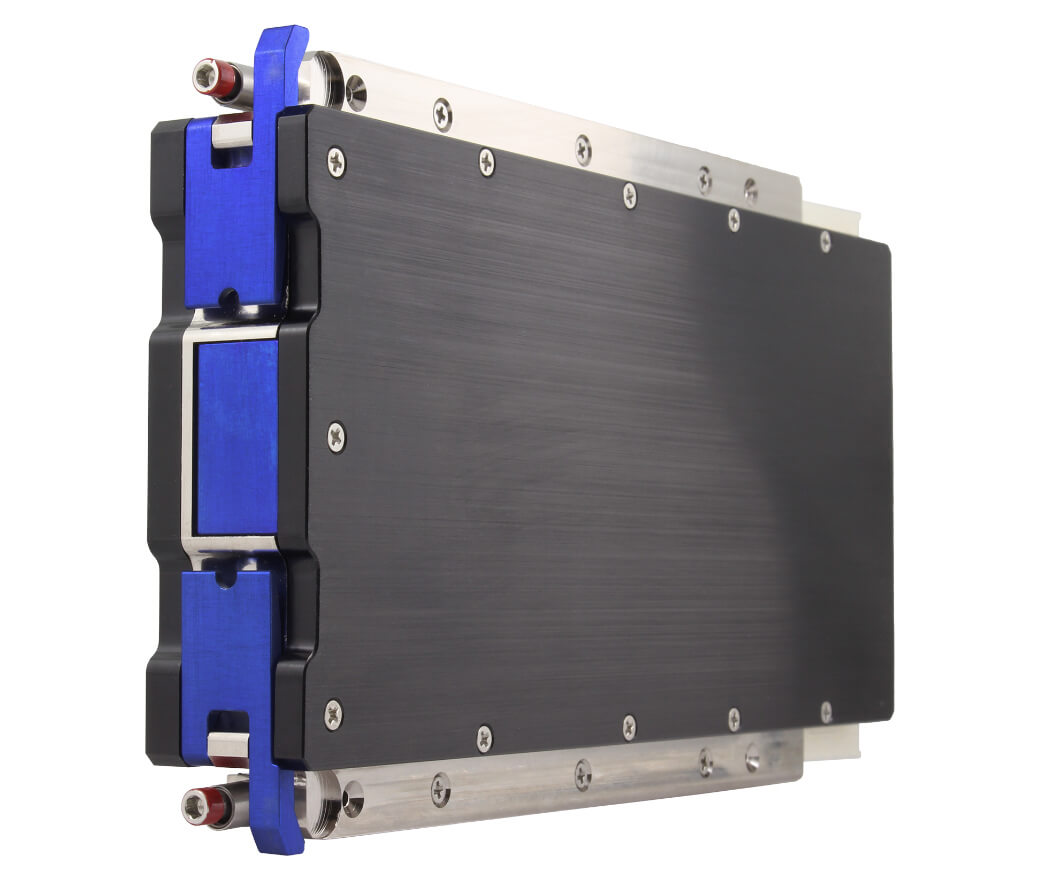
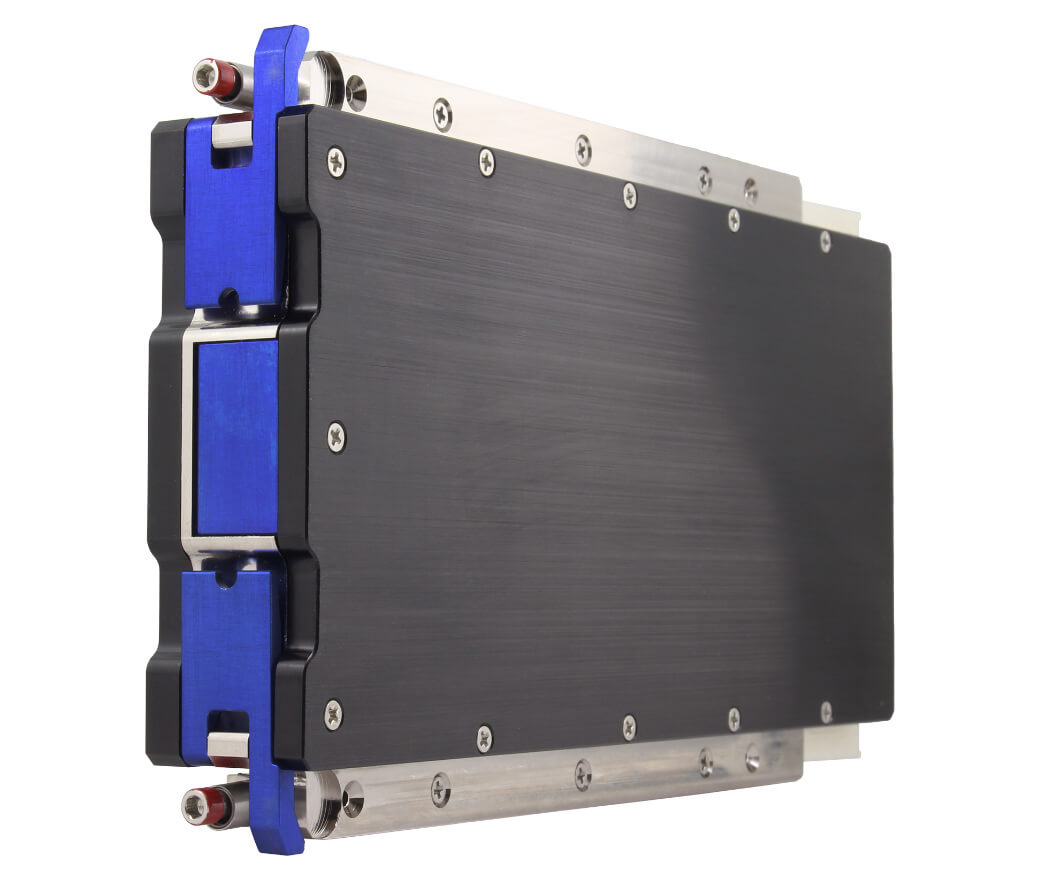
At the heart of the MOSA hardware movement supporting this change is a crucial standard: 3U VPX. This compact form factor isn’t just a rugged circuit board; it’s the physical embodiment of the MOSA principles, providing a high-performance, plug-and-play foundation for modern C4ISR (Command, Control, Communications, Computers, Intelligence, Surveillance, and Reconnaissance) systems.

The breakdown below highlights how the 3U VPX form factor supports MOSA and contributes to greater operational readiness.

1. Standardization: The Core of Interoperability

MOSA’s primary goal is interoperability—the ability for systems from different vendors and platforms to communicate seamlessly. VPX (VITA 46) and its system-level extension, OpenVPX (VITA 65), were designed from the ground up to achieve this.

  • A Common Physical Language: The 3U VPX standard defines the exact mechanical and electrical specifications, the high-speed connectors, and the environmental ruggedization requirements. This ensures that any compliant 3U VPX card will physically fit into any compliant 3U VPX chassis.
  • Plug-and-Play Hardware: The OpenVPX standard takes this a step further by defining slot profiles and module profiles. These profiles standardize how different types of cards (e.g., a processor, a switch, or an I/O card) connect and communicate via the backplane using high-speed switched fabrics like PCIe and Ethernet. This means a military integrator can plug a computing module from Vendor A into a chassis from Vendor B, knowing they will communicate correctly—breaking traditional vendor lock.

2. Size, Weight, and Power (SWaP) Efficiency

In modern warfare, especially across air, naval, and ground vehicles, every inch and every watt counts. The compact size of the 3U VPX is its most significant strategic advantage, directly supporting MOSA’s need for efficiency.

  • Compact Form Factor: The 3U (three-unit) size is lightweight and space-saving, making it ideal for deployment in highly constrained platforms, such as small unmanned aerial systems (UAS), avionics, and portable communications gear.
  • High Performance in a Small Package: Despite its smaller size compared to the 6U VPX, the 3U form factor still utilizes advanced technologies like switched fabrics (VITA 46) and conduction cooling (VITA 48), allowing for high-performance computing (HPC), sensor processing, and machine learning capabilities to be deployed right at the tactical edge. This capability density is essential for systems that need real-time data processing without a large footprint.

3. Rapid Technology Insertion and Upgrades

The threat landscape moves faster than traditional defense procurement cycles. MOSA promises to shorten this cycle, and 3U VPX provides the physical mechanism to deliver on that promise.

  • Accelerated Obsolescence Management: With a standardized slot and interface, MOSA compliant standards, such as CMOSS helps mitigate obsolescence in military electronics by allowing system integrators to replace outdated components (e.g. older processor chips) without redesigning the entire platform. They simply develop or procure a new 3U VPX processing module that conforms to the same physical and electrical standards, allowing for a drop-in replacement.
  • Faster Integration of COTS: 3U VPX platforms are heavily aligned with the use of Commercial Off-the-Shelf (COTS) components. Because the mechanical and electrical specifications are public standards, the defense industry encourages competition among a wide ecosystem of vendors. This dramatically reduces development costs, lowers time-to-market, and allows the military to rapidly inject the latest commercial technology (like a new GPU or FPGA) into deployed systems.

4. Alignment with DoD Strategic Standards

The principles of 3U VPX form the bedrock for specific, critical DoD open architecture initiatives:

  • SOSA (Sensor Open Systems Architecture): SOSA, driven by the US Air Force, Army, and Navy, leverages OpenVPX (specifically 3U VPX) to define common hardware and software interfaces for C4ISR and Electronic Warfare (EW) systems. 3U VPX boards that align with SOSA Technical Standard profiles are designed to be truly plug-and-play and fully interchangeable.
  • CMOSS (C5ISR/EW Modular Open Suite of Standards): CMOSS, a US Army initiative, uses 3U VPX form factor to consolidate mission-critical functions (radio, network, processing, EW) onto shared, modular hardware within a common chassis. This significantly reduces redundant components and saves space on ground vehicles.

The 3U VPX standard is more than just a specification; it is a gateway to the modern, agile defense enterprise. By enforcing modularity, promoting a competitive vendor ecosystem, and delivering high performance in a SWaP-efficient form factor, 3U VPX enables defense organizations to rapidly field new capabilities and maintain the technical edge required for modern readiness.

Need help finding the right solution?

If you need help finding the right interface, protocol or need to tweak our FPGA cards for your teams’ needs, contact New Wave Design to discuss your requirements.

Get in Touch

Make an Inquiry

Contact us today to see how New Wave Design can collaborate with you to achieve your objectives, leveraging our cutting-edge military and aerospace solutions. Experience our dedication to innovation, quality, and unparalleled customer satisfaction firsthand, and together, let’s turn your challenges into triumphs.

"*" indicates required fields
Privacy Policy*

Stay Informed

Sign-up and receive relevant product information catered directly to your inbox.